


Our Brisbane CBD Office
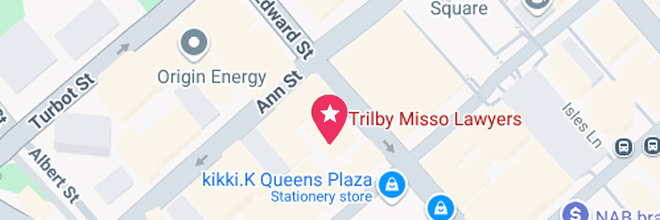
- Suite 400, Level 4/288 Edward St, Brisbane City QLD 4000
- (07) 3910 5470

Duty of care is a legal obligation requiring a person or organisation to take reasonable steps to avoid causing foreseeable harm to others.
In Australia, this concept applies wherever someone’s actions, decisions, or lack of action could reasonably put another person at risk. Duty of care is not limited to professionals or businesses — it can apply to individuals in everyday situations, such as driving, hosting visitors, or supervising others. The law focuses on safety standards rather than intentions.
In Australia, duty of care means acting in a way that a reasonable person would to prevent harm in the circumstances.
Courts look at what risks were foreseeable at the time and whether sensible precautions could have reduced those risks. The standard is practical rather than perfect, recognising that not every risk can be eliminated. What matters is whether reasonable care was taken given the situation.
Yes, duty of care is a legal obligation recognised under Australian negligence law.
Once a duty of care is established, a person or organisation is expected to meet an appropriate standard of care. If that standard is not met and harm results, legal responsibility may arise. This principle applies across workplace incidents, motor vehicle incidents, and injuries in public places.
A duty of care can be owed by individuals, employers, businesses, property owners, professionals, and public authorities.
The duty arises because of the relationship between the parties and the level of control one party has over a situation. For example, employers control work systems, landlords control property maintenance, and drivers control vehicles on the road. Each of these relationships creates responsibilities for safety.
You owe a duty of care when it is reasonably foreseeable that your actions or inaction could cause harm to another person.
The law does not require a close relationship, but there must be enough connection that harm could realistically occur. Everyday examples include allowing hazards to remain on premises, directing someone to perform unsafe work, or driving without proper attention to road conditions.
A breach of duty of care occurs when reasonable steps to prevent foreseeable harm are not taken.
This assessment compares what was done against what a reasonable person would have done in the same circumstances. A breach may involve ignoring known risks, failing to follow safety procedures, or not responding to hazards within a reasonable time.
Breaching duty of care means failing to meet the expected standard of care required by law.
It can occur through action, such as unsafe conduct, or inaction, such as failing to repair hazards or provide warnings. The focus is on whether reasonable care was exercised, not whether harm was intended.
Failure of duty of care refers to situations where safety responsibilities are not properly carried out.
This may include inadequate training, poor supervision, lack of maintenance, or ineffective safety systems. In many cases, failures develop over time rather than occurring as a single event.
Lack of duty of care describes behaviour that shows insufficient regard for the safety of others.
From a legal perspective, this usually indicates a failure to meet an established duty rather than the absence of responsibility altogether. It often overlaps with concepts of negligence and breach.
Breaches of duty of care commonly occur where risks were known or should have been known but were not addressed.
These breaches can arise in many environments, including workplaces, roads, rental properties, and public areas. Repeated complaints, previous incidents, or obvious hazards often strengthen the argument that a risk was foreseeable.
Duty of care negligence occurs when a duty exists, that duty is breached, and the breach causes harm.
All three elements must be present for negligence to be established. Simply suffering an injury is not enough; the injury must be linked to a failure to take reasonable care.
Duty of care is the first step in establishing negligence under Australian law.
Once a duty is identified, the next question is whether it was breached and whether that breach caused harm. Negligence focuses on standards of behaviour rather than fault or blame.
Workplace duty of care requires employers to take reasonable steps to ensure the health and safety of workers.
This includes providing safe systems of work, appropriate training, suitable equipment, and effective supervision. Employers must also respond to hazards once they become aware of them.
Examples of potential breaches include:
Requiring employees to lift heavy items without training
Failing to fix known hazards such as broken stairs or slippery surfaces
Inadequate safety procedures in high-risk roles
Ignoring repeated safety complaints
Duty of care in motor vehicle situations requires drivers to operate vehicles in a safe and responsible manner.
Drivers owe this duty to passengers, pedestrians, cyclists, motorcyclists, and other motorists. The standard considers road conditions, traffic, visibility, and weather.
Examples include:
Distracted driving
Speeding or unsafe overtaking
Failing to give way
Ignoring hazardous road conditions
Public liability and duty of care relate to responsibilities owed by those who control premises or public spaces.
This includes supermarkets, shopping centres, rental properties, real estate-managed homes, car parks, and entertainment venues.
Examples include:
Slips in supermarkets due to uncleaned spills
Uneven flooring or broken stairs in rental properties
Poor lighting in car parks
Trip hazards on footpaths or shopping centre walkways
Councils owe a duty of care to take reasonable steps to maintain public roads, footpaths, and infrastructure.
This includes responding to known hazards such as potholes, uneven surfaces, or damaged walkways where injury is foreseeable. The duty is not unlimited but depends on what risks were known and what repairs were reasonable.
Understanding duty of care helps people recognise when safety standards may not have been met.
It plays a central role in workplace safety, road use, rental properties, and public spaces across Queensland and Australia, and forms the legal foundation for assessing responsibility when harm occurs.
| Legal concept | What it means | Why it matters |
|---|---|---|
| Duty of care | A legal responsibility to take reasonable steps to avoid foreseeable harm | Establishes whether responsibility exists at all |
| Breach of duty of care | A failure to meet the required standard of care | Shows that reasonable care was not taken |
| Negligence | Duty + breach + harm caused by the breach | Determines whether legal liability arises |
This distinction is important because harm alone does not establish negligence. There must first be a duty of care, followed by a breach, and a clear link between that breach and the injury or loss suffered.
Duty of care is assessed by asking what a reasonable person or organisation would have done in the same circumstances.
Courts consider factors such as how likely harm was, how serious the potential injury could be, and whether reasonable precautions were practical at the time. This approach applies consistently across workplaces, motor vehicle incidents, rental properties, supermarkets, and public infrastructure.
Duty of care means having a legal responsibility to take reasonable steps to keep others safe from harm.
An example of duty of care is a supermarket cleaning up spills promptly to prevent customers from slipping.
In Australia, duty of care can be owed by employers, drivers, businesses, property owners, landlords, councils, and individuals, depending on the situation.
A breach of duty of care occurs when reasonable steps to prevent foreseeable harm are not taken.
Duty of care is not the same as negligence, but it is a key part of it, as negligence requires a duty, a breach, and resulting harm.
Duty of care in the workplace requires employers to provide safe systems of work, training, supervision, and a safe environment.
Duty of care in a motor vehicle context requires drivers to follow road rules and drive in a way that avoids foreseeable harm to others.
Duty of care in public places requires occupiers and authorities to take reasonable steps to maintain safe premises and infrastructure.
Landlords and property managers owe a duty of care to address known hazards in rental properties within a reasonable time.
Councils owe a duty of care to take reasonable steps to manage known hazards on roads, footpaths, and public spaces.
For a clear explanation of how duty of care operates under Queensland law, including how courts assess foreseeability and reasonable care, see the Queensland Law Handbook:
https://queenslandlawhandbook.org.au/the-queensland-law-handbook/health-and-wellbeing/accidents-and-injury/duty-of-care/
For a general overview of negligence, duty of care, and loss in Queensland, see Legal Aid Queensland’s information page:
https://www.legalaid.qld.gov.au/Find-legal-information/Personal-rights-and-safety/Injury-loss-and-compensation/Negligence-duty-of-care-and-loss

Use this simple online tool and find out if you have a claim in less than thirty seconds. You can choose to remain anonymous.
Your next step is a small one. All you need to do is give us a call on 07 3910 5470 or complete this form here to arrange a quick chat.
During this initial conversation, we will:
We understand that taking legal action can be stressful, and we’ll do all we can to ease your concerns.
The chat can take place at our place, your place, or by phone. There is no cost, no pressure, and no obligation.
Call 07 3910 5470 or fill out this form, and we’ll get back to you within 2 hours (during business hours). We look forward to meeting you.
enquire now