


Our Brisbane CBD Office
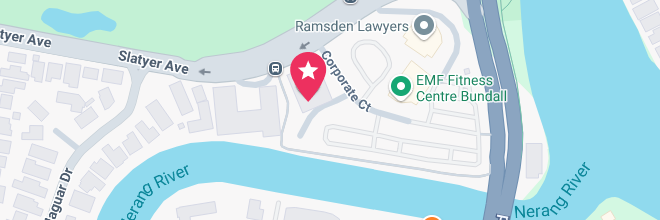
- Suite 400, Level 4/288 Edward St, Brisbane City QLD 4000
- (07) 3910 5470


The court hierarchy in Australia is built on a dual system of Federal courts and State courts, each responsible for different areas of law and different levels of decision-making. Understanding this structure is essential for anyone in Brisbane trying to work out where a legal matter belongs, whether it relates to a civil dispute, a criminal charge, an administrative review, or a family law issue. The Australian legal system structure places courts in a clear order so that each level has its own original and appellate jurisdiction.
At the federal level, courts deal with matters governed by Commonwealth legislation. This includes family law, migration, bankruptcy, and federal administrative decisions. These matters are heard in courts such as the Federal Circuit and Family Court of Australia and the Federal Court. Their powers apply nationally, meaning a case in Brisbane is treated the same way as one in any other part of Australia.
At the state level, the Queensland court hierarchy manages most criminal matters and the majority of civil disputes. This includes the Magistrates Court of Queensland, the District Court of Queensland, and the Supreme Court. Each court has set thresholds that determine where a case begins and where it may be appealed. These limits are important because they affect where claims fall within Queensland’s structure, including the magistrates court jurisdiction limit and the distinctions between the Supreme Court vs District Court.
For Brisbane residents, identifying the correct court is important because:
Each court applies specific monetary limits and offence categories.
Family law matters do not go to Queensland courts; they go to the Federal Circuit and Family Court of Australia.
The appeals process depends on the hierarchy and the defined appellate jurisdiction Queensland courts follow.
Starting in the wrong court can lead to delays and incorrect filings.
Understanding the court hierarchy Australia uses helps clarify the process, reduces confusion, and ensures matters progress through the correct legal pathway.
The court hierarchy in Australia is often described as a pyramid because each court level has different powers and responsibilities, with authority increasing as you move upward. This structure helps explain how the Australian legal system operates in practice and how decisions flow through both original and appellate jurisdiction. For Queenslanders, understanding this hierarchy provides clarity about why some matters begin in lower courts and how appeals progress through the system.
At the top of the hierarchy sits the High Court of Australia, which oversees constitutional interpretation and final appeals. Below it are the federal courts, and then the state courts, including the Supreme Court, District Court, and Magistrates Court of Queensland. Alongside these sits the civil and administrative tribunal QLD, known as QCAT, which resolves many everyday disputes.
A simplified visualisation of the hierarchy shows the flow of authority from top to bottom:
High Court of Australia – final appellate court and interpreter of the Constitution.
Federal Courts – including the Federal Court and the Federal Circuit and Family Court of Australia.
State Supreme Courts – the highest state-level courts such as the Supreme Court of Queensland.
Intermediate Courts – in Queensland, this is the District Court of Queensland.
Lower Courts – including the Magistrates Court of Queensland, which handles most matters first.
Tribunals – such as QCAT, which sits outside the formal structure but operates alongside it.
For people in Brisbane, this pyramid helps explain:
Why small civil disputes often begin in the Magistrates Court.
How monetary thresholds guide where cases are filed.
Why serious criminal matters must be sent to higher courts.
How appeals move from lower courts up to the Queensland Court of Appeal and, in limited cases, to the High Court.
Understanding this structure makes the court hierarchy Australia uses more accessible, especially for those navigating the system for the first time.
Australia’s federal courts deal with matters arising under Commonwealth law, which applies nationally, including in Brisbane and across Queensland. These courts operate separately from the Queensland court hierarchy, and their powers come from federal legislation rather than state Acts. The federal system is essential for managing family law, migration disputes, industrial relations, taxation matters, and reviews of federal administrative decisions. Each court level has its own original and appellate jurisdiction, contributing to the broader Australian legal system structure.
The federal system includes three main courts: the High Court of Australia, the Federal Circuit and Family Court of Australia, and the Federal Court of Australia. Together, they manage federal disputes and provide the appeal pathways for matters governed by national law.
The High Court of Australia is the final court of appeal and the highest authority in the Australian judicial system. Its decisions are binding on every Australian court and play a critical role in shaping legal principles, including constitutional interpretation. Key High Court of Australia functions include:
Interpreting the Australian Constitution
Hearing appeals from federal, state, and territory courts
Deciding significant national legal questions
Although located in Canberra, the High Court hears matters from all jurisdictions, including Queensland, and sets the legal standards that lower courts must follow.
The Federal Circuit and Family Court of Australia was created in 2021 through the merger of the former Family Court of Australia and the Federal Circuit Court. This structure streamlines family law and federal law processes and provides two divisions:
Division 1 – Handles complex family law matters and appeals.
Division 2 – Manages most family law applications, along with migration matters, consumer law issues, and general federal law disputes.
Divorce, parenting orders, property settlements, and many administrative reviews are all handled at this federal level, not within the state courts.
The Federal Court of Australia deals with complex commercial disputes, tax matters, industrial relations, and judicial reviews of federal administrative decisions. It also hears appeals from the Federal Circuit and Family Court of Australia (Division 2) in non-family law matters and plays a major role in ensuring federal legislation is applied consistently throughout Australia.
Most criminal and civil matters affecting Brisbane residents are dealt with within the Queensland court hierarchy, which has three main levels: the Magistrates Court of Queensland, the District Court of Queensland, and the Supreme Court of Queensland. Each court has its own original and appellate jurisdiction, defined monetary limits, and specific types of cases it can hear. These state courts operate separately from the federal courts but may apply both state and Commonwealth law when required.
Understanding the structure of the Queensland system is essential because it determines where your matter begins, how complex the process will be, and where appeals can be made.
The Supreme Court of Queensland is the highest court in the state and hears the most serious civil and criminal matters. Key features include:
Civil claims over $750,000, making it the court for high-value disputes
Serious criminal offences, including murder and manslaughter
The Court of Appeal, which hears appeals from the District Court and some tribunals
Because of its position, decisions from the Supreme Court play an important role in shaping Queensland law and may influence national precedent when further appealed.
The District Court of Queensland hears matters of medium seriousness and serves as the state’s intermediate court. It handles:
Civil claims between $150,000 and $750,000, bridging the gap between the Magistrates Court and the Supreme Court
Indictable offences, such as armed robbery, rape, and fraud
Appeals from the Magistrates Court
The distinction between the Supreme Court vs District Court largely comes down to monetary thresholds and the seriousness of criminal allegations.
The Magistrates Court of Queensland is the busiest court in the state and the entry point for most matters. Its responsibilities include:
Civil claims under the magistrates court jurisdiction limit of $150,000
Summary offences, such as traffic matters and minor criminal charges
Committal hearings for indictable offences that must be transferred to higher courts
Because it handles such a high volume of cases, it plays a crucial role in ensuring the Queensland justice system remains accessible and efficient.
QCAT is the civil and administrative tribunal QLD residents commonly interact with for everyday disputes. It sits outside the formal court hierarchy but operates alongside it. QCAT handles:
Minor civil disputes (e.g., tenancy, consumer claims, minor debt)
Guardianship matters
Reviews of certain administrative decisions
QCAT provides a more informal alternative to court, with simpler processes designed to resolve matters quickly and affordably.
The doctrine of precedent is a fundamental principle in the Australian legal system, ensuring that similar cases are decided consistently across the country. It operates within the court hierarchy Australia uses, where decisions made by higher courts are binding on lower courts. This creates predictability, fairness, and stability in the law, which is especially important for Queenslanders navigating the justice system.
Under this doctrine, courts apply earlier decisions—known as precedents—when dealing with similar facts or legal issues. This is why the structure of the hierarchy matters: the position of a court determines the weight of its decisions and whether it can create binding or persuasive precedent.
In Queensland, the doctrine of precedent works through the defined appellate jurisdiction:
Decisions of the High Court of Australia bind all other courts, including every court in Queensland.
Decisions of the Queensland Court of Appeal bind the Supreme Court (Trial Division), the District Court of Queensland, and the Magistrates Court of Queensland.
Lower court decisions may be persuasive but do not bind higher courts.
This structure ensures that similar disputes are treated consistently, regardless of which court first hears the matter.
For people in Brisbane dealing with family law, civil claims, or criminal charges, the doctrine of precedent affects:
How courts interpret legislation
The likelihood that an appeal will succeed
Whether a judge must follow an earlier ruling
How legal principles evolve over time
A clear hierarchy allows courts to apply the law consistently, ensures fairness between parties, and supports the development of Australian legal system structure as a whole.
The High Court of Australia is the highest court in the Australian judicial system. It functions as the final court of appeal for both federal and state matters and interprets the Constitution.
What is the difference between the Magistrates and District Court in Queensland?
The main difference lies in the severity of cases and monetary limits. The Magistrates Court handles civil claims under $150,000 and minor criminal offenses, while the District Court handles claims between $150,000 and $750,000 and more serious indictable offenses.
Which court handles divorce in Australia?
Divorce and most family law matters are handled by the Federal Circuit and Family Court of Australia (FCFCOA). Western Australia is the only exception, which has its own state Family Court.
What is the monetary limit for the Supreme Court of Queensland?
The Supreme Court of Queensland handles civil disputes where the amount claimed is greater than $750,000. It also deals with the most serious criminal charges, such as murder and manslaughter.
Does Queensland have a County Court?
No, Queensland does not have a ‘County Court’. The intermediate court in Queensland is called the District Court. ‘County Court’ is the term used in Victoria.
Queensland Courts – Jurisdiction Information
A detailed overview of Queensland’s civil and criminal court structure, including jurisdiction limits and appeal pathways.
https://www.courts.qld.gov.au/courts

Use this simple online tool and find out if you have a claim in less than thirty seconds. You can choose to remain anonymous.
Your next step is a small one. All you need to do is give us a call on 07 3910 5470 or complete this form here to arrange a quick chat.
During this initial conversation, we will:
We understand that taking legal action can be stressful, and we’ll do all we can to ease your concerns.
The chat can take place at our place, your place, or by phone. There is no cost, no pressure, and no obligation.
Call 07 3910 5470 or fill out this form, and we’ll get back to you within 2 hours (during business hours). We look forward to meeting you.
enquire now