


Our Brisbane CBD Office
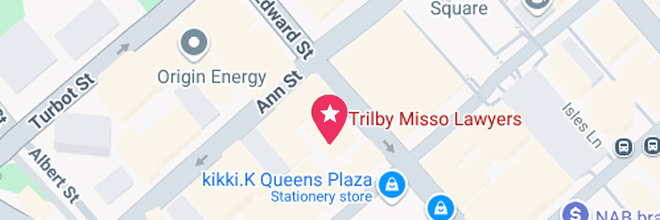
- Suite 400, Level 4/288 Edward St, Brisbane City QLD 4000
- (07) 3910 5470

Self-driving cars are not yet legal for hands-off use in Brisbane, and every vehicle on Queensland roads in 2025 still requires a human driver to remain in control at all times. Despite widespread global coverage of robotaxis, overseas trials, and Level 4 services operating in parts of the United States, the reality in Australia is very different. Queensland drivers continue to operate under strict Transport and Main Roads (TMR) rules, Australian Design Rules (ADRs), and road safety laws that treat today’s technology as driver-assistance, not autonomy. This disconnect has created confusion for buyers trying to understand what current semi-autonomous systems can actually do, how safe they are, and what the emerging Automated Vehicle Safety Law (AVSL) will change.
The Australian market is now filled with advanced Level 2 systems—such as Tesla Autopilot, BYD Di Pilot, and Kia/Hyundai Highway Driving Assist—but these remain hands-on, legally requiring constant supervision. Future laws will introduce the concept of the Automated Driving System Entity (ADSE), shifting responsibility from a human driver to a corporation as automation increases. This shift will also reshape Compulsory Third Party (CTP) insurance, product liability claims, and how insurers recover costs under the upcoming national framework led by the National Transport Commission (NTC).
This guide cuts through the hype to explain what is actually available in Brisbane today, how Queensland law treats self-driving technology, who will be liable under the new legislation, and what buyers need to know before choosing a vehicle with advanced automation features.
Self-driving cars are not operating on Brisbane roads in 2025, and no vehicle sold in Australia can legally drive hands-free or without constant human supervision. Although headlines from the US often show robotaxis navigating busy cities, Queensland’s laws, road systems, and insurance structures are not yet compatible with true autonomy.
Much of the misunderstanding comes from mixing up international developments with Australia’s regulatory reality. In everyday conversation, “self-driving” can mean anything from basic cruise control to fully autonomous Level 5 vehicles — but these are very different things.
In Queensland today, the situation is:
Only Level 2 driver-assistance systems are available (e.g., Tesla Autopilot, BYD DiPilot, Kia/Hyundai Highway Driving Assist).
The driver must remain in control at all times under Transport and Main Roads (TMR) rules.
Australian Design Rules (ADRs) require a human to maintain steering authority.
Fully autonomous Level 4/5 systems (robotaxis) are not legal for public use.
This distinction will eventually shift as Australia introduces the Automated Vehicle Safety Law (AVSL), which will regulate corporate responsibility through an Automated Driving System Entity (ADSE) — but that framework is not in place yet.
| Topic Seen in US Media | Reality in Brisbane (2025) |
|---|---|
| Waymo and Cruise robotaxis operating without drivers | No Level 4 or Level 5 public services permitted. |
| Hands-free interstate highway driving (e.g., GM Super Cruise) | Not mapped or approved for Australian road networks. |
| Full Self-Driving (FSD) Beta used widely in the US | Restricted to Level 2 functionality in Australia. |
| Sleeping in the driver’s seat in ads or demos | Illegal in Queensland — driver must remain alert and hands-on. |
Most “self-driving” features available in Queensland are better described as advanced driver assistance. They can support the driver but cannot replace them.
Examples include:
Lane centring
Adaptive cruise control
Automated lane changes on some models
Traffic-aware cruise systems
Speed sign recognition
These are still Level 2, meaning:
The system handles steering and speed temporarily
The human remains responsible for monitoring the road
Legal liability stays with the driver
This is why TMR and ADRs enforce hands-on-the-wheel compliance, even in cars that advertise autonomous capabilities overseas.
Features are restricted in Australia because:
AVSL and ADSE frameworks are still being finalised
Mapping and sensor validation differ from US road conditions
Queensland is not yet permitting unsupervised driving trials outside controlled programs
Insurance models (including CTP) still assume the human is the primary risk source
This is the gap the AVSL aims to address — moving towards corporate liability and a regulated path to genuine autonomy.
The SAE Levels of Driving Automation (0–5) describe how much control a vehicle can take over from a human driver, and understanding them is essential for buyers in Brisbane. Most cars advertised as “self-driving” are actually Level 2, even if overseas marketing suggests otherwise. Queensland law, Australian Design Rules (ADRs), and TMR requirements strictly enforce how these systems may be used.
To avoid confusion, here’s what each level truly means for Australian roads.
| SAE Level | Who Controls the Car? | What the Car Can Do | Legal Status in QLD (2025) |
|---|---|---|---|
| 0 – No Automation | Driver | Manual steering and braking | Legal |
| 1 – Driver Assistance | Driver | Basic steering or speed control | Legal |
| 2 – Partial Automation | Driver (supervising at all times) | Steering and speed control | Legal with hands-on requirement |
| 3 – Conditional Automation | System (in limited conditions), but human must intervene when requested | Handles most driving functions | Not yet permitted |
| 4 – High Automation | System | Driverless operation in defined areas | Not legal for public use |
| 5 – Full Automation | System | No driver required anywhere | Not legal in Australia |
Most vehicles sold in Brisbane fall into Level 1 or Level 2, including popular systems such as:
Tesla Autopilot (Australia version only)
BYD DiPilot
Hyundai/Kia Highway Driving Assist 2
Volvo Pilot Assist
These can assist with tasks like:
Lane keeping
Adaptive cruise control
Traffic-aware speed control
But under Queensland law:
The driver must keep their hands on the wheel and stay alert at all times.
This is enforced because the vehicle does not perform monitoring of the environment in a legally sufficient way — the human remains the responsible party.
While some international brands advertise Level 3 capability overseas (e.g., Mercedes-Benz Drive Pilot in Germany), these functions are not approved in Australia.
TMR regulations still define the human as the responsible driver.
ADRs require steering facilities that necessitate human control.
Autonomous systems cannot yet meet national safety certification requirements.
The upcoming Automated Vehicle Safety Law (AVSL) framework isn’t enacted nationally.
Level 4 robotaxis operating in the US — like Waymo — require environmental mapping, redundant safety systems, and high-certainty localisation, all of which are not yet available or approved for Brisbane roads.
As the AVSL rolls out, SAE Levels will determine who is legally responsible when automation is engaged:
Level 0–2: The human driver is liable.
Level 3: Liability becomes shared — but still requires a “fallback-ready user”.
Level 4–5: Responsibility shifts to the Automated Driving System Entity (ADSE), not the human.
This shift is fundamental to future Compulsory Third Party (CTP) insurance reform, product liability claims, and the National Transport Commission’s (NTC) model for insurer recovery actions.
If a dealer or online advertisement suggests a car is “self-driving,” understanding the SAE Levels helps you determine if the feature:
Is actually legal to use
Requires hands-on supervision
Will be software-limited in Australia
May be upgraded under future AVSL rules
Knowing the difference prevents misunderstandings — and avoids QLD penalties for unsafe or inattentive driving.
Self-driving cars are not legal for hands-off use in Queensland, and every vehicle on the road in 2025 must have a human driver who remains alert, supervising the system, and able to take control instantly. This applies even when a car has advanced features such as lane centring, adaptive cruise control, or automated lane changes.
The confusion comes from overseas advertising, particularly from the US, where Level 3–4 systems are beginning to appear. Queensland’s regulatory system is built differently, and the Transport and Main Roads (TMR) rules and Australian Design Rules (ADRs) strictly define how automated features may be used.
Under Queensland road rules:
The driver must stay attentive at all times
Hands must remain on the wheel
Eyes must remain on the road
Driver-assistance features must only be used as intended
Distraction laws apply even when automation is active
This applies whether you are driving a Tesla, BYD, Kia, Hyundai, Volvo, or any other model with semi-autonomous functions.
TMR currently recognises only the human as the legal “driver”.
Automated features do not qualify as autonomous driving under Queensland law.
The ADRs set minimum safety standards for all vehicles sold in Australia. Relevant rules require:
A steering control that a human must operate
Systems that support driving, not replace it
Clear driver override capability
Compliance with lane-keeping, braking, and sensor design requirements
No vehicle sold in Australia currently meets the criteria for fully autonomous use without driver supervision.
Even in cars capable of hands-free highway driving overseas, Queensland law prohibits removing your hands from the wheel.
| Vehicle / Feature | Legal in QLD? | Why |
|---|---|---|
| Tesla “Full Self-Driving” (US version) | ✖ Not legal | Software-limited; driver must supervise |
| GM Super Cruise | ✖ Not supported | Not mapped for Australian roads |
| Mercedes Drive Pilot (Level 3) | ✖ Not approved | Requires regulatory certification not available here |
| Waymo / Cruise Robotaxi | ✖ Not permitted | Public Level 4 services not allowed |
TMR actively enforces hands-on requirements and distracted driving laws, meaning gestures like reading, sleeping, or looking away from the road can result in penalties even if automation is active.
A driver may be fined for:
Removing hands from the wheel
Looking at a mobile device
Failing to maintain proper control
Driving without due care and attention
These fines apply regardless of the technology or the brand of vehicle.
Australian regulators are waiting for the national Automated Vehicle Safety Law (AVSL) to define:
How an Automated Driving System Entity (ADSE) will be responsible for automated operation
What counts as legal automation vs. driver assistance
How CTP insurance will handle automated vehicles
The safety certification pathway for Level 3–5 systems
Until then, Queensland law treats all existing systems as driver assistance, not autonomy.
Australia’s 2025 car market offers several models with advanced Level 2 driver-assistance features, but none operate as true self-driving vehicles under Queensland law. These systems can help with steering, speed, lane positioning, and traffic flow, but the driver must remain alert, hands-on, and responsible for monitoring the environment.
To help buyers understand what’s genuinely available — versus what overseas marketing implies — here is a breakdown of the leading semi-autonomous vehicles you can purchase in Brisbane.
Tesla offers some of the most advanced Level 2 systems sold in Australia. Features include:
Adaptive Cruise Control
Lane Keeping
Auto Lane Change (with Enhanced Autopilot)
Traffic-Aware Cruise
Limited Navigate-on-Autopilot capability (Australia-restricted)
Important: Tesla’s Full Self-Driving (FSD) in Australia is not the same as the US version. It remains a Level 2 system requiring full driver supervision.
BYD’s DiPilot package includes:
Lane centring
Adaptive cruise control
Traffic jam assist
Blind-spot monitoring
While marketed as sophisticated, these systems still require constant driver attention under TMR law.
These models provide some of the most polished Level 2 experiences in Australia:
Highway Driving Assist (steering + speed management)
Lane Follow Assist
Automatic lane changing (model dependent)
Smart cruise control with machine learning
The technology is capable, but hands-off driving remains illegal.
Volvo’s system focuses on:
Lane centring
Distance control
Smooth cornering support
Volvo often emphasises safety, but even Pilot Assist does not qualify as autonomous operation.
| Model | Approx. Starting Price (AUD) | Key Level 2 Features | Notes for Australian Buyers |
|---|---|---|---|
| Tesla Model 3 | ~$61,900 | Autopilot, Navigate-on-Autopilot (restricted) | FSD limited to Level 2 in Australia |
| Tesla Model Y | ~$65,400 | Same as above | Strong camera-based perception system |
| BYD Seal | ~$49,000 | DiPilot, lane centring, adaptive cruise | Rapid updates rolling out via OTA |
| BYD Atto 3 | ~$48,000 | Basic DiPilot suite | Popular entry-level EV |
| Hyundai Ioniq 5 | ~$69,000 | HDA2, lane change assist | Robust sensor fusion |
| Kia EV6 | ~$76,000 | HDA2, adaptive cruise | Confident highway performance |
| Volvo XC90 | ~$98,000 | Pilot Assist | Safety-focused engineering |
All features are subject to software limitations specific to Australia.
Despite their capabilities, none of these vehicles can:
Legally operate hands-free
Navigate complex environments without supervision
Function as Level 3, 4, or 5 systems
Replace the human driver in any legal sense
Queensland enforcement remains strict: the human is always the responsible driver.
Many vehicles have fewer features here due to:
Software locks
Mapping restrictions
Regulatory requirements
Road infrastructure differences
ADR safety compliance
Even though many semi-autonomous cars sold in Australia use the same hardware as their US counterparts, a large number of “self-driving” features are locked or restricted locally. This often surprises buyers, especially when videos from overseas show cars navigating dense city streets, changing lanes automatically, or even operating without a human driver.
These restrictions exist because Australia’s regulatory environment, road networks, insurance systems, and legal frameworks differ significantly from those in the US.
Many Level 2 and Level 3 systems rely on high-precision maps that are not available across Australia.
Examples include:
GM Super Cruise mapping is built for North American interstate highways
Waymo and Cruise rely on city-specific HD maps not produced for Brisbane
Tesla FSD Beta uses US-trained data patterns that do not align perfectly with Australian roads
This means the systems cannot operate reliably under Australian conditions.
ADRs require:
A human-controllable steering system
Immediate driver override capability
Visibility, braking, and sensor compliance specific to Australia
These standards prevent deployment of features that would allow hands-off driving or conditional automation.
TMR enforces:
Hands-on-the-wheel monitoring
Full driver attentiveness
Prohibition of distracted driving
The definition of “driver” as the human occupant
These rules do not align with overseas Level 3–4 implementations.
The AVSL will eventually:
Define the Automated Driving System Entity (ADSE)
Allow strict liability to shift from the human to the corporation
Provide a path for approval of Level 3–5 systems
Establish national safety standards for automated operation
Until then, no manufacturer can deploy genuine autonomous functions.
Today, Queensland’s system assumes:
The human caused the crash
The human is the insured party
The human controls the vehicle
The upcoming reforms to Compulsory Third Party (CTP) insurance will enable insurers to recover costs from the ADSE, but these mechanisms are not yet active.
Australia requires:
Localised safety testing
Validation for left-hand-drive vs right-hand-drive differences
Additional hazard assessments for rural and regional roads
Confirmation that automated systems can handle wildlife, unmarked roads, gravel surfaces, and unique signage
US-trained systems are not automatically transferable.
| Feature | Available in US? | Available in Australia? | Why Not (If Restricted) |
|---|---|---|---|
| Tesla FSD Beta | ✔ Yes | ✖ No | Driver supervision laws & software limits |
| Waymo Robotaxi | ✔ Yes | ✖ No | Level 4 not permitted on public roads |
| GM Super Cruise | ✔ Yes | ✖ No | Mapping unavailable for Australia |
| Mercedes Level 3 Drive Pilot | ✔ Yes | ✖ No | Not yet certified under ADRs |
| Hands-off highway driving | ✔ Yes (some models) | ✖ Illegal | TMR and ADR requirements |
Most Australian vehicles look capable of more autonomy — and technically, many are — but the regulatory landscape has not yet shifted from driver responsibility to system responsibility. That transition will not occur until the AVSL is implemented nationwide.
Queensland is cautiously preparing for automated transport, but all current activity remains trial-based, supervised, and limited to controlled environments. No Level 4 or Level 5 public deployment exists anywhere in the state.
Ipswich has hosted Queensland’s most significant autonomous vehicle research. The trial explored:
Vehicle-to-infrastructure (V2I) communication
Automated braking and lane support in controlled scenarios
Safety validation for suburban road environments
Although often described as “self-driving trials,” these tests involved highly supervised conditions and do not permit the public to use autonomous functions.
Queensland is also planning for automation in freight and logistics. Key priorities include:
Remote monitoring systems
Low-speed automated haulage
Safety cases for controlled-access motorways
These projects focus on improving industry efficiency rather than passenger autonomy.
Waymo-style robotaxis will not appear in Brisbane until:
AVSL legislation commences
ADSE approvals are available
CTP reforms for automated crashes are active
High-definition mapping is established for urban Queensland
Realistically, Level 4 public transport (e.g., shuttle services) is unlikely before 2027 or later.
Queensland is preparing for autonomy, but trials remain cautious and limited. Until national laws change, the public cannot access hands-off or driverless services, even if the technology exists overseas.
Buying a car with advanced driver-assistance features in Australia can be confusing, especially when overseas marketing suggests capabilities that aren’t legal here. Asking the right questions helps you understand what the system can actually do on Queensland roads.
Many vehicles include hardware capable of higher-level automation, but features may be restricted because of:
ADR compliance
TMR regulations
Mapping limitations
Regional safety certification
This is particularly relevant for Tesla, BYD and some European brands.
Up-to-date mapping and software strongly affect performance. Ask:
How frequently updates occur
Whether updates are over-the-air or require dealership visits
If Australia receives the same update cycle as the US or Europe
Some brands roll out updates months later in Australia.
Several systems require ongoing payments, such as:
Tesla’s Premium Connectivity
Enhanced Autopilot or FSD packages
Brand-specific ADAS upgrades
Clarifying this prevents surprises after purchase.
Ask the dealer to specify:
What the system can legally do
Whether hands-free capability is disabled locally
Any warnings about driver responsibility
This ensures expectations match Queensland law.
Australian roads differ from US and EU conditions. Good questions include:
How does it handle unmarked rural roads?
Does it manage roundabouts reliably?
Is signage recognition tuned for Australian speed signs?
Performance can vary significantly by region.
Choosing a semi-autonomous car in 2025 comes down to understanding the gap between what the technology can do and what Queensland law actually allows. While today’s systems are increasingly advanced, none provide hands-off or self-driving capability on public roads, and all require full driver supervision.
Before investing in autonomy-linked features, it’s important to recognise:
All cars in Australia remain Level 2 at most
Driver responsibility cannot be transferred under current TMR rules
Many advertised features are software-restricted in Australia
Updates promoted overseas may not reach local vehicles
No manufacturer currently offers Level 3–5 certification in Australia
This means buyers should view automation as driver assistance, not a replacement for driving.
Some brands offer expensive upgrade packages, but in Australia these typically provide:
Minor convenience improvements
Lane change automation
Parking assistance
Navigation enhancements
They do not provide autonomous driving, nor do they change legal liability.
For many buyers, the standard driver-assistance suite provides nearly all the functionality legally usable in Queensland.
If you’re thinking ahead to the upcoming Automated Vehicle Safety Law (AVSL), it’s worth remembering that:
ADSE approvals are not yet active
CTP reform is ongoing
Level 3–5 deployment depends on future mapping and safety certification
Buying now for a theoretical future upgrade is possible, but not guaranteed.
No. Fully autonomous Level 4 and Level 5 vehicles are not permitted for public use in Queensland, and all Level 2 systems still require hands-on supervision.
Yes. Queensland road rules require the driver to maintain control at all times, regardless of whether Autopilot or any other system is active.
No. Waymo operates only in select US cities, and Level 4 robotaxi services are not approved anywhere in Australia.
It is a national framework that will regulate automated vehicles, shift responsibility to an Automated Driving System Entity (ADSE), and outline manufacturer duties for automated operation.
Under future AVSL rules, liability will shift to the ADSE when the vehicle is operating in automated mode, rather than the human occupant.
The NTC develops the national regulatory model for automated vehicles, including safety obligations, incident reporting, and ADSE requirements.
CTP will still compensate injured road users, but insurers will gain statutory rights to recover costs from the ADSE if the automated system contributed to the crash.
It refers to situations where software must choose between harmful outcomes, similar to the trolley problem, raising legal questions about design responsibility and algorithmic decision-making.
Covers the Australian Design Rules that currently govern vehicle safety standards, including those affecting automated driving systems.
https://www.infrastructure.gov.au/infrastructure-transport-vehicles/vehicles/vehicle-design-regulation/australian-design-rules

Use this simple online tool and find out if you have a claim in less than thirty seconds. You can choose to remain anonymous.
Your next step is a small one. All you need to do is give us a call on 07 3910 5470 or complete this form here to arrange a quick chat.
During this initial conversation, we will:
We understand that taking legal action can be stressful, and we’ll do all we can to ease your concerns.
The chat can take place at our place, your place, or by phone. There is no cost, no pressure, and no obligation.
Call 07 3910 5470 or fill out this form, and we’ll get back to you within 2 hours (during business hours). We look forward to meeting you.
enquire now