


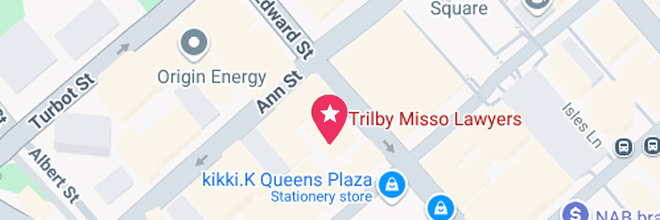
Our Brisbane CBD Office
- Suite 400, Level 4/288 Edward St, Brisbane City QLD 4000
- (07) 3910 5470

Dogs in cars in Queensland are covered by a mix of road rules and animal welfare laws, not just “common sense” pet care. For Brisbane dog owners, that means you’re dealing with both the Transport Operations (Road Use Management – Road Rules) Regulation and the Animal Care and Protection Act 2001, as well as practical guidance from bodies like RSPCA QLD dog car rules. Together, these laws aim to protect road users and animals, and they can affect your wallet, your licence and even potential insurance or compensation issues if a crash occurs.
Broadly, QLD law doesn’t say “dogs must wear seatbelts”, but it does say that a driver must have proper control of the vehicle and must not transport a dog in a way that exposes it to unnecessary risk or suffering. Breaching those duties can lead to an on-the-spot fine, a court summons, or in serious cases, animal cruelty charges. For tradespeople and regional drivers, there are also specific dogs in utes rules that apply to open trays.
This guide focuses on dogs in cars QLD legislation from a Brisbane perspective. It explains how Section 297 Queensland Road Rules works in practice, what counts as an unrestrained dog fine QLD, when it becomes illegal to leave a dog in a parked car in Brisbane heat, and how these issues can interact with car and pet insurance. It also covers public transport and rideshare options such as Uber Pet, so you can plan travel that keeps both your dog and your licence safe.
There is no single section that says “dogs must be restrained”, but you can still be fined if an unrestrained dog affects your control of the car or its safety.
In Queensland, the key rule is section 297 of the Transport Operations (Road Use Management – Road Rules) Regulation, which states that a driver must have proper control of the vehicle and must not drive with a person or an animal in their lap. The maximum court penalty for these offences is 20 penalty units.
The animal care and protection act 2001 adds another layer. Section 33 makes it an offence to transport a dog inside a vehicle if any part of its body (other than the head) can protrude from the vehicle, and carries a maximum of 60 penalty units. More broadly, the Act imposes a duty of care on anyone in charge of an animal to protect it from pain, suffering and harm.
Because of this, “unrestrained” isn’t about seatbelts; it’s about risk. You can receive an unrestrained dog fine QLD if:
the dog is moving around and you no longer have proper control of the vehicle
the dog is hanging out the window with more than its head outside
the way you’re transporting the dog is likely to cause it harm.
Media and legal commentary indicate that Section 297 Queensland Road Rules is currently enforced by an infringement of around $575 and three demerit points for not having proper control, as part of distracted driving enforcement. Exact figures can change each July when penalty units are reviewed, but they typically sit in the $300–$600 range.
So while there is no explicit rule saying “dogs must wear a harness”, a loose dog that leads to distraction or unsafe transport can still result in a costly ticket, demerit points, or even a cruelty charge if the dog is put at serious risk.
A dog can sit on a passenger’s lap, but it is illegal for a dog to sit on the driver’s lap anywhere in Australia.
For drivers, section 297(1A) of the Queensland Road Rules is clear: a driver must not drive a vehicle if a person or an animal is in the driver’s lap, with a maximum penalty of 20 penalty units.This provision is what most people are referring to when they talk about driving with dog on lap Australia – it’s effectively banned nationwide under similar “proper control” provisions in other states.
For passengers, the law is less specific. There is no section that outright bans a front-seat passenger from holding a dog. However:
If the dog regularly leans across and distracts the driver, police could still argue the driver no longer has proper control.
If a crash occurs, an unrestrained dog can be thrown forward, causing serious injuries to both the dog and human occupants.
Front airbags are designed for adult humans, not small animals. If a dog is:
on a passenger’s lap in front of an active airbag, or
curled up close to the dash,
the airbag can deploy with enough force to cause fatal injuries in even a minor collision. For that reason, many vets and welfare organisations recommend keeping dogs in the back seat or using a properly fitted harness clipped to a seatbelt.
In practice, the safest approach is:
Never allow a dog on the driver’s lap.
Minimise dogs on the passenger’s lap, especially with active airbags.
Use restraints or travel crates wherever possible, particularly on busy Brisbane roads.
Dogs can ride in ute trays in QLD, but they must be safely restrained and protected from heat and other hazards.
In Queensland, dogs in utes are given special attention because of the obvious fall and heat risks. The Animal Care and Protection Act 2001 requires dogs to be transported in a way that prevents pain or suffering, which includes falling or being dragged from a vehicle, or burning paws on a hot metal tray. Business Queensland and RSPCA guidance also set out practical expectations that courts and inspectors may rely on.
Best practice for dogs in ute trays laws in QLD includes:
using a properly fitted harness rather than attaching chains to a collar
securing the tether to a central point towards the front of the tray or cabin
ensuring the tether is long enough for the dog to stand, sit and lie down, but short enough that it cannot reach the sides of the tray or jump out
fitting swivels at both ends of the tether to stop it twisting and choking the dog
never using thin rope or twine that could cut into the dog’s skin.
Under the Act, and consistent with RSPCA QLD guidance, owners must provide:
a non-slip, insulated surface (e.g. matting) so the dog’s paws aren’t on hot metal
shade where possible, especially in Brisbane heat or when stopped in traffic
adequate ventilation and water on longer trips.
A dog sliding around on a bare, hot tray, or with a tether long enough to let them hang over the side, can easily amount to a breach of your duty of care under welfare law, even if the dog hasn’t actually fallen yet.
On-the-spot fines for dog-related driving offences in QLD usually fall in the $300–$600 range, but serious cruelty cases can attract court penalties over $20,000.
There are two broad categories of penalties:
Road rule infringements – issued by police as an on-the-spot fine.
Animal welfare offences – usually dealt with in court, with much higher maximum penalties.
For typical roadside encounters (for example, a driver spotted with a dog on their lap, or clearly not having proper control of the vehicle because of a pet), police can issue a traffic infringement under Section 297 Queensland Road Rules. Current commentary indicates these fines are around $575 and three demerit points in Queensland.
Separate infringements may apply if:
your dog is protruding from the vehicle in breach of s 33 of the Animal Care and Protection Act
your driving is considered “without due care and attention” or dangerous for other reasons.
If the matter goes to court, the maximum penalty for section 297 offences is 20 penalty units. Under the Animal Care and Protection Act 2001, serious cruelty or failure to meet your duty of care can attract much higher maximum fines and even jail terms. Legal commentary and recent reporting suggest some transport-related cruelty offences can reach roughly $22,500 and/or up to one year’s imprisonment, especially where a dog suffers or dies.
Whether you receive demerit points depends on which offence is used:
traffic offences such as “driver not having proper control” can carry demerit points
some animal-welfare-only offences do not carry demerit points but still involve significant fines.
Either way, the combination of fines, potential demerit points and possible court consequences means it’s cheaper – and safer – to treat restraints and safe transport as part of your normal driving routine.
Leaving a dog in a parked car in Brisbane can quickly become an animal welfare offence, especially in warm weather.
Queensland’s Animal Care and Protection Act 2001 requires owners to protect animals from unreasonable pain, suffering, heat stress and dehydration. RSPCA Queensland regularly warns that car interiors can hit deadly temperatures within minutes, even on mild days. Tests have shown a light-coloured car in QLD reaching over 40–50°C in well under 15 minutes, and up into the high 40s or 50s as the Brisbane heat builds.
Legally, the question “is it illegal to leave dog in car QLD?” turns on whether the animal is likely to suffer:
heat stress, struggling to breathe, drooling or collapsing
dehydration due to lack of water
distress from confinement in extreme temperatures.
If inspectors or police believe your dog is, or is likely to be, suffering in a parked vehicle, they can:
require you to remove the animal immediately
seize the animal in serious cases
commence proceedings under the animal welfare laws.
In the most serious situations, where a dog dies or suffers significant harm, owners can face substantial fines and possible jail terms for animal cruelty.
Practically, the safest legal (and welfare) position in Brisbane is simple: do not leave your dog unattended in a parked car, even “just for a few minutes”.
Queensland does not have a general “Good Samaritan” law that automatically protects you if you smash a car window to rescue a dog.
Unlike some overseas jurisdictions, QLD law doesn’t give private citizens a clear statutory defence for damaging property to rescue an animal from a hot car. That means if you break a window:
the police might consider the circumstances justified, but
the vehicle owner could still argue you committed wilful damage and try to seek compensation or press charges.
Because Good Samaritan protections mainly relate to medical assistance, not property damage, the safest course is to follow official guidance.
Recommended steps if you see a distressed dog in a car:
Call 000 and ask for police if the dog appears in immediate danger (collapse, frantic behaviour, extreme heat).
Contact RSPCA QLD on 1300 ANIMAL (1300 264 625) to report the situation, especially if police response may be delayed.
Take note of the vehicle’s location, registration, time and weather conditions.
In extreme, life-threatening situations, a court might accept that breaking a window was necessary to prevent greater harm, but this is a legal risk and assessed case-by-case. Wherever possible, involve police or RSPCA first so they can exercise their powers lawfully.
An unrestrained dog can affect how your comprehensive car insurance or even a future compensation claim is assessed after a crash.
Most comprehensive car insurance policies require you to:
obey road rules
take reasonable care not to increase the risk of an accident.
If you are found to be in breach of Section 297 Queensland Road Rules (for example, not having proper control because the dog was jumping around the front seat), your insurer might:
reduce your payout
apply contributory negligence if the dog’s behaviour increased the damage
in extreme cases, deny a claim if the policy clearly excludes illegal or reckless behaviour.
Similarly, if you later pursue a personal injury claim after a crash and evidence shows your unrestrained dog played a role in causing the accident, the other side may argue you contributed to the risk. That can reduce the amount of compensation payable, even if another driver was mostly at fault.
For pet insurance, some policies specify that injuries sustained in a car must occur while the animal is appropriately restrained, or they may exclude injuries due to negligence. Always check the wording:
look for terms relating to “unrestrained pets”, “road traffic accidents” and “failure to take reasonable care”
if in doubt, assume that using a harness, crate or barrier will strengthen your position if something goes wrong.
In short, safe restraint is not just about avoiding an on-the-spot fine – it can also protect your financial position if there’s a collision.
In Brisbane, ordinary pets have limited access to public transport, but options like Uber Pet and CityCats exist alongside special rules for assistance animals.
Current guidance indicates that pets are generally not allowed on Brisbane suburban trains, buses and trams, except for approved assistance animals with a TransLink Assistance Animal Pass. Assistance animals travel free and can accompany their handler across the TransLink network (excluding Airtrain), subject to safety conditions.
Brisbane City Council allows:
assistance animals with the correct accreditation on all CityCats and ferries
pet dogs in some circumstances, typically on a leash and under control, and often in designated areas as directed by staff.
Always check the latest Brisbane City Council guidance before travelling, as conditions can change.
Uber Pet operates in Brisbane and other major QLD cities as a specific ride option for passengers travelling with animals. When you select Uber Pet in the app, you’re matched with a driver who has opted in to carry domestic animals, usually with a small surcharge (around $6 in many cities).
Key points:
Uber Pet is designed for domestic animals like dogs and cats.
Riders are responsible for controlling and restraining their pets during the trip.
Assistance animals do not need Uber Pet – they must be carried on ordinary Uber trips without extra charge under disability and anti-discrimination laws.
These options can be helpful when you want to avoid driving with your dog yourself, especially during very hot or stormy Brisbane weather.
Even where the law is flexible, best practice is to treat your dog’s restraint like a seatbelt – a non-negotiable part of every trip.
Common options include:
Crash-tested harnesses clipped into standard seatbelts on the back seat
Travel crates secured so they can’t slide in sudden braking
Cargo barriers in wagons and SUVs to keep dogs contained in the rear area.
Restraints reduce distraction, protect your dog in a collision and help you meet your duty of care under QLD welfare law.
Under section 33 of the animal care and protection act 2001, you must not transport a dog in a way that allows more than its head to protrude from the vehicle. From a safety perspective, fully or partly hanging out of windows can cause:
eye injuries from dust, insects or debris
ear damage from high-speed airflow
risk of the dog being struck by passing objects or vehicles.
A small gap for airflow is fine, but the dog’s body should remain inside the cabin.
Because Brisbane heat and humidity rise quickly:
avoid leaving dogs in parked cars altogether
schedule longer drives for cooler parts of the day where possible
pack water, a bowl and rest stops into road trips
use air-conditioning or good ventilation, especially in older vehicles or utes.
For longer drives across Queensland, think of your dog’s comfort the same way you would for children: regular breaks, shade, water, and no unnecessary risk.
It’s not specifically illegal for a dog to be in the front passenger seat, as long as the driver still has proper control of the vehicle and the dog is not in the driver’s lap. The safest option is usually the restrained back seat, away from airbags and driver controls.
There is no single “unrestrained dog” ticket, but police can issue an on-the-spot fine under section 297 for not having proper control or for having an animal on the driver’s lap, currently around the mid-hundreds of dollars and potentially with demerit points. In serious welfare cases, court penalties under the Animal Care and Protection Act can exceed $20,000.
Yes, dogs can ride in the back of a ute, but they must be safely restrained so they cannot jump or fall from the vehicle, and the tray must be set up to prevent heat burns and slipping. A short tether attached to a harness with swivels at both ends is recommended, along with matting or other insulation on the tray.
If police use a traffic offence such as “driver not having proper control of the vehicle”, demerit points can apply to that offence. Welfare-only offences under the Animal Care and Protection Act usually involve fines but not demerit points, although the overall incident may still impact your driving record.
Queensland law does not automatically protect you from property damage charges if you break a window, so there is always some legal risk. The recommended approach is to call 000 and RSPCA QLD (1300 ANIMAL), report the situation and follow their instructions, particularly where the dog appears to be in immediate danger.
Further reading (Queensland sources):
Transport Operations (Road Use Management – Road Rules) Regulation 2009 (current QLD road rules, including s 297): https://www.legislation.qld.gov.au/view/html/inforce/current/sl-2009-0194
Animal Care and Protection Act 2001 (QLD animal welfare and duty of care obligations): https://www.legislation.qld.gov.au/view/html/inforce/current/act-2001-064
Business Queensland – Transporting dogs in vehicles (QLD government guidance on dogs in cars and utes): https://www.business.qld.gov.au/industries/farms-fishing-forestry/agriculture/animal/move/guidelines/dogs

Use this simple online tool and find out if you have a claim in less than thirty seconds. You can choose to remain anonymous.
Your next step is a small one. All you need to do is give us a call on 07 3910 5470 or complete this form here to arrange a quick chat.
During this initial conversation, we will:

We understand that taking legal action can be stressful, and we’ll do all we can to ease your concerns.
The chat can take place at our place, your place, or by phone. There is no cost, no pressure, and no obligation.
Call 07 3910 5470 or fill out this form, and we’ll get back to you within 2 hours (during business hours). We look forward to meeting you.
enquire now